Family-Owned Bee Business: Quality Bees & Pollination

Bees are often called nature's little workers, and for good reason. They play a crucial role in pollinating plants, which helps produce the food we eat. In recent years, the importance of bees has gained more attention, especially with the decline in bee populations. This is where family-owned bee businesses come into play. They not only provide quality bees but also contribute to the health of our ecosystems.
In this blog post, we will explore the fascinating world of family-owned bee businesses, the significance of quality bees, and how they impact pollination. We will also share some practical tips for those interested in beekeeping or supporting local bee businesses.
The Importance of Bees
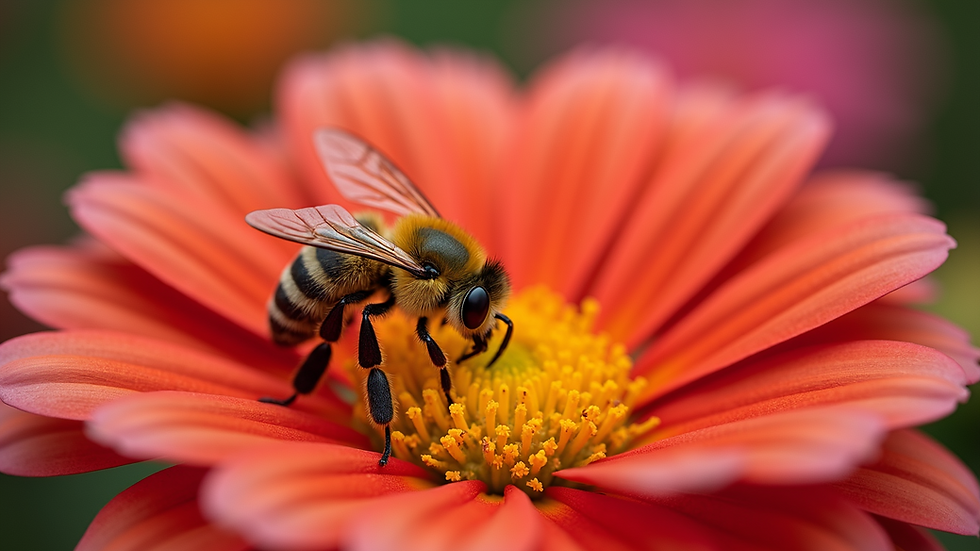
Bees are essential for pollination, which is the process of transferring pollen from one flower to another. This process is vital for the reproduction of many plants. In fact, about one-third of the food we consume relies on pollination.
Here are some key points about the importance of bees:
Food Production: Many fruits, vegetables, and nuts depend on bees for pollination. Without them, our diets would be much less diverse.
Ecosystem Health: Bees help maintain healthy ecosystems by supporting plant growth. This, in turn, provides habitats for other wildlife.
Economic Impact: The agricultural industry relies heavily on bees. Their pollination services contribute billions of dollars to the economy each year.
Given their crucial role, it is clear that supporting bee populations is essential for our health and the environment.
What Makes Family-Owned Bee Businesses Unique?
Family-owned bee businesses often have a personal touch that larger corporations lack. These businesses are typically run by individuals who are passionate about beekeeping and the environment. Here are some unique aspects of family-owned bee businesses:
Quality Over Quantity: Family-owned businesses often prioritize quality. They take the time to ensure their bees are healthy and well-cared for.
Sustainable Practices: Many family-owned bee businesses focus on sustainable practices. They understand the importance of protecting bee populations and the environment.
Community Connection: These businesses often have strong ties to their local communities. They may participate in local farmers' markets or educational events to raise awareness about bees.
By choosing to support family-owned bee businesses, you are not only getting quality bees but also contributing to a more sustainable future.
The Process of Beekeeping
Beekeeping is both an art and a science. It requires knowledge, patience, and dedication. Here is a brief overview of the beekeeping process:
Choosing the Right Location: Bees need a suitable environment to thrive. This includes access to flowers for foraging and a safe, sheltered area for their hives.
Selecting Bee Species: Different bee species have different characteristics. Some are better for honey production, while others are more effective at pollination. Family-owned businesses often choose species that are well-suited to their local environment.
Hive Management: Regular maintenance is crucial for healthy hives. Beekeepers must monitor for pests, diseases, and overall hive health.
Harvesting Honey: Once the bees have produced honey, beekeepers can harvest it. This process requires careful handling to ensure the bees are not harmed.
Educating the Community: Many family-owned bee businesses take the time to educate their communities about the importance of bees and how to support them.
By understanding the beekeeping process, you can appreciate the hard work that goes into producing quality bees and honey.
The Role of Pollination
Pollination is a critical function that bees perform. It is the process that allows plants to reproduce. Here are some key points about the role of pollination:
Diversity of Plants: Pollination helps maintain a diverse range of plants. This diversity is essential for healthy ecosystems.
Food Security: With the decline of bee populations, food security is at risk. Supporting local bee businesses can help ensure a stable food supply.
Economic Benefits: Pollination services provided by bees contribute significantly to the agricultural economy. Farmers who rely on bees for pollination often see increased yields.
Understanding the role of pollination highlights the importance of supporting bee populations and businesses that prioritize their health.
Tips for Supporting Local Bee Businesses
If you are interested in supporting local bee businesses, here are some practical tips:
Buy Local Honey: Purchasing honey from local beekeepers not only supports their business but also ensures you are getting a product that is fresh and often more flavorful.
Plant Bee-Friendly Flowers: Create a garden that attracts bees by planting a variety of flowers. This provides bees with food and helps support their populations.
Attend Local Events: Many family-owned bee businesses participate in local farmers' markets or community events. Attending these events can help you learn more about bees and meet local beekeepers.
Educate Yourself: Take the time to learn about bees and their importance. The more you know, the better you can support their populations.
Consider Beekeeping: If you have the space and interest, consider starting your own beekeeping journey. Many family-owned businesses offer classes or resources to help you get started.
By taking these steps, you can make a positive impact on local bee populations and support family-owned businesses.
The Future of Bees and Beekeeping
The future of bees and beekeeping is uncertain, but there is hope. Many family-owned bee businesses are leading the way in sustainable practices and education. Here are some trends to watch:
Increased Awareness: As more people learn about the importance of bees, there is a growing movement to support local beekeepers and sustainable practices.
Innovative Practices: Family-owned businesses are often at the forefront of innovation in beekeeping. They are experimenting with new techniques to improve bee health and honey production.
Community Engagement: Many beekeepers are actively engaging with their communities to raise awareness about the importance of bees. This includes educational programs and workshops.
By supporting family-owned bee businesses, you are contributing to a brighter future for bees and the environment.
A Sweet Legacy
In conclusion, family-owned bee businesses play a vital role in our ecosystems and food systems. They provide quality bees and contribute to the health of our environment. By supporting these businesses, you are not only getting high-quality products but also helping to protect bee populations for future generations.
Whether you choose to buy local honey, plant bee-friendly flowers, or even start your own beekeeping journey, every small action counts. Together, we can create a world where bees thrive, and our ecosystems flourish.


Comments